- Ordinis Atlas
- Explore
- Stories
Explore · Rataterra
Stories
Illustrated stories from Rataterra, each with its sources and what is confirmed, theory or legend.
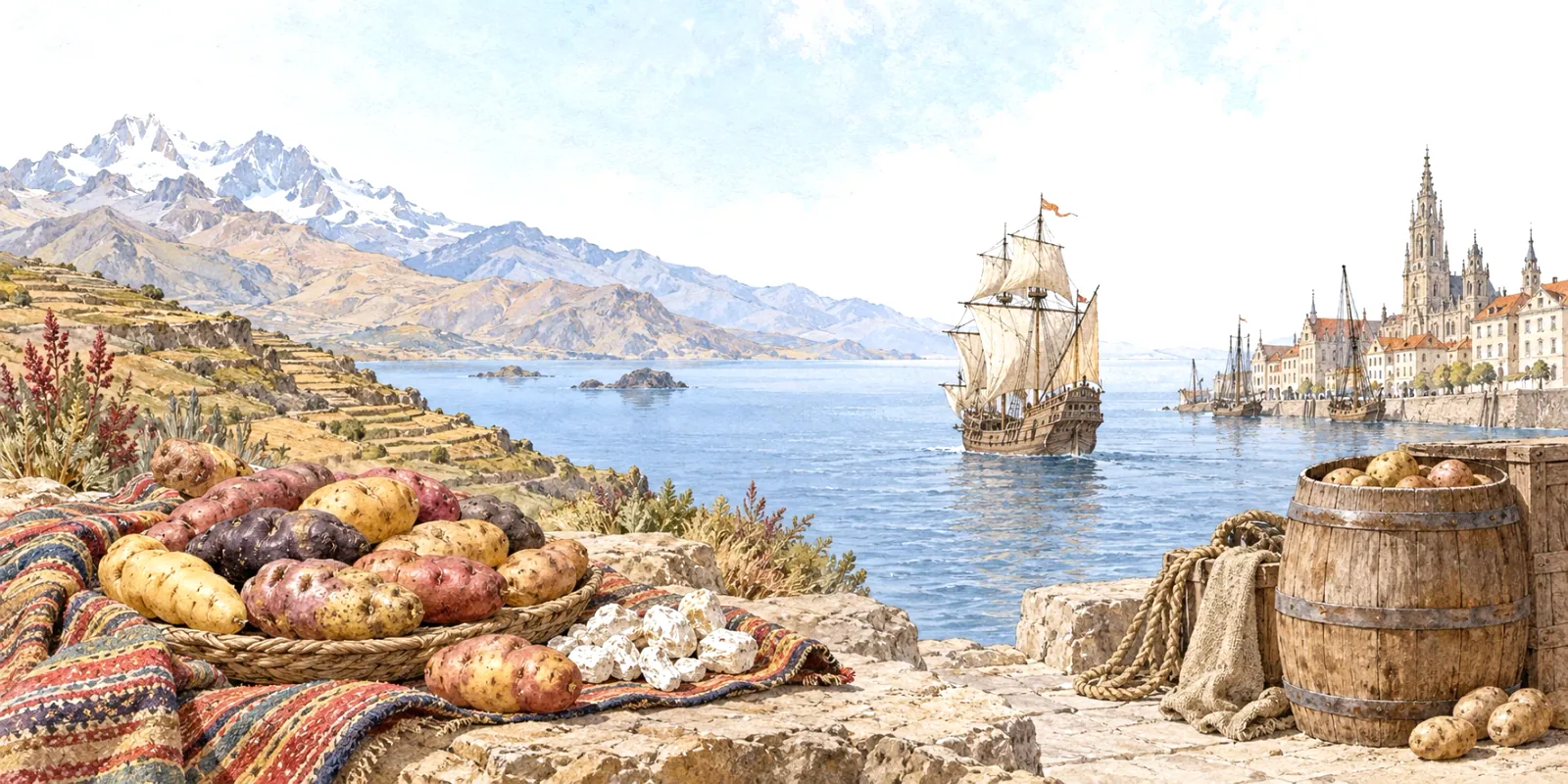 Ingredient journeyFrom the Andes to EuropeDomesticated by Andean farmers thousands of years ago, the potato crossed the Atlantic in the sixteenth century, was met with suspicion, and ended up changing how Europe ate, farmed and suffered.
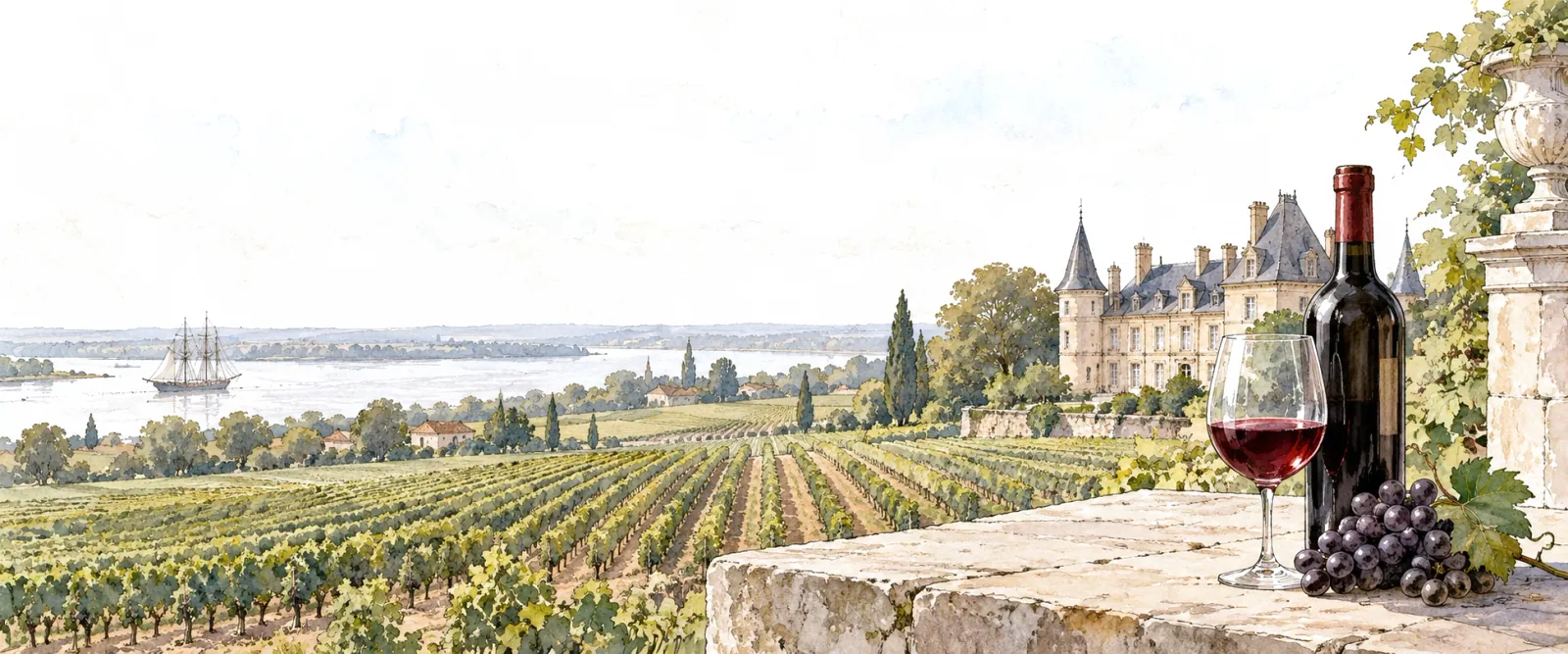 How wine is rankedThe 1855 Bordeaux classificationA ranking drawn up in two weeks by Bordeaux wine brokers for a Paris exhibition still sorts the châteaux of the Médoc and Sauternes. It was based on prices, not tastings, and in 170 years it has officially changed only twice.
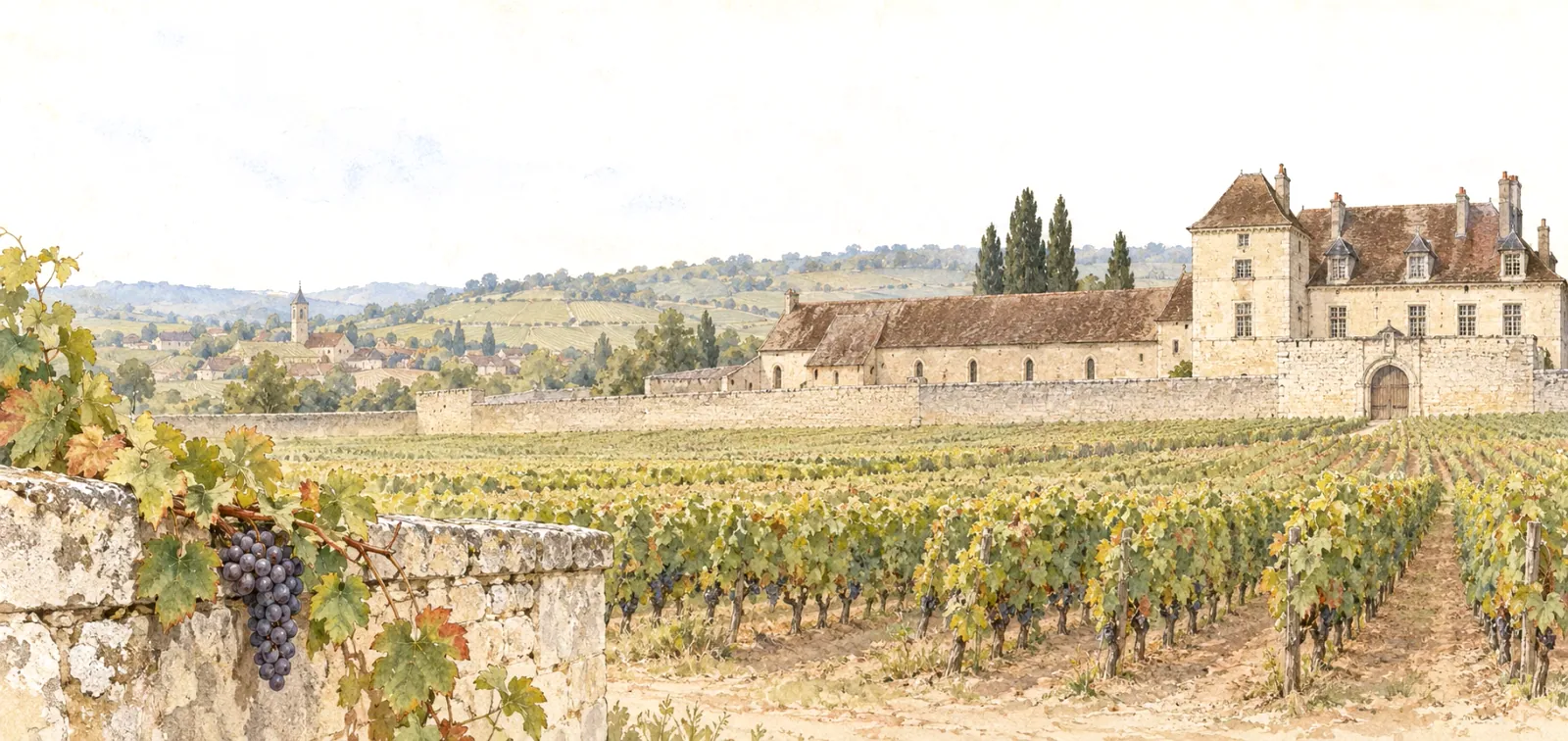 Monks & terroirThe Cistercians and the Clos de VougeotFor almost seven centuries the monks of Cîteaux owned and built up a walled vineyard of about 50 hectares in the Côte de Nuits. The Clos de Vougeot then passed to a banker, was sold and divided, and in the twentieth century became the symbol of Burgundy. Part of that symbol was built after the monks had gone.
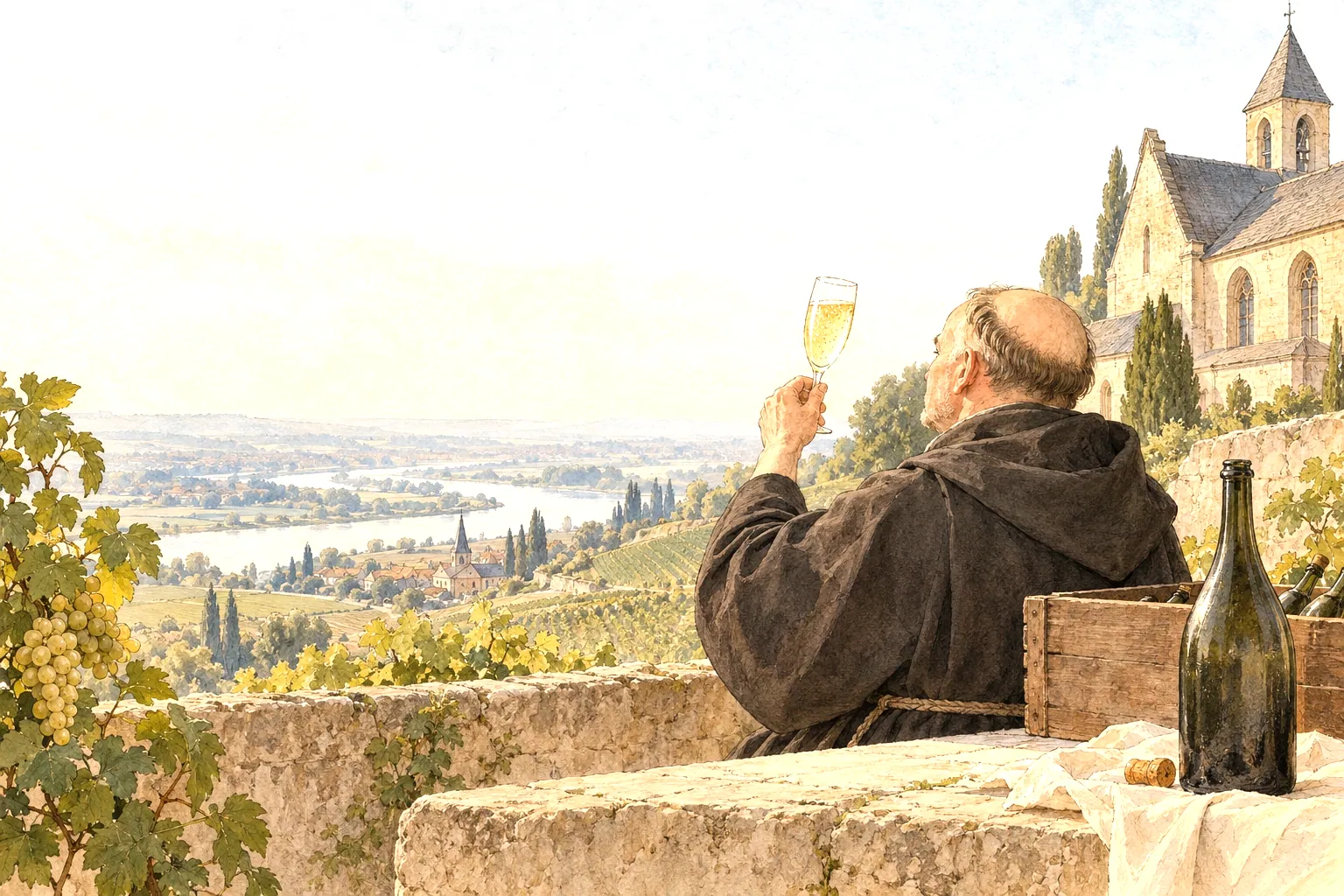 Myths & evidenceDid Dom Pérignon invent Champagne?No. Dom Pérignon made better still wine and, like the French makers of his day, treated bubbles as a fault. Sparkling wine was described in London in 1662, and Champagne's method was built over two centuries. The legend of the monk who drank the stars was promoted by the Champagne trade in 1889.
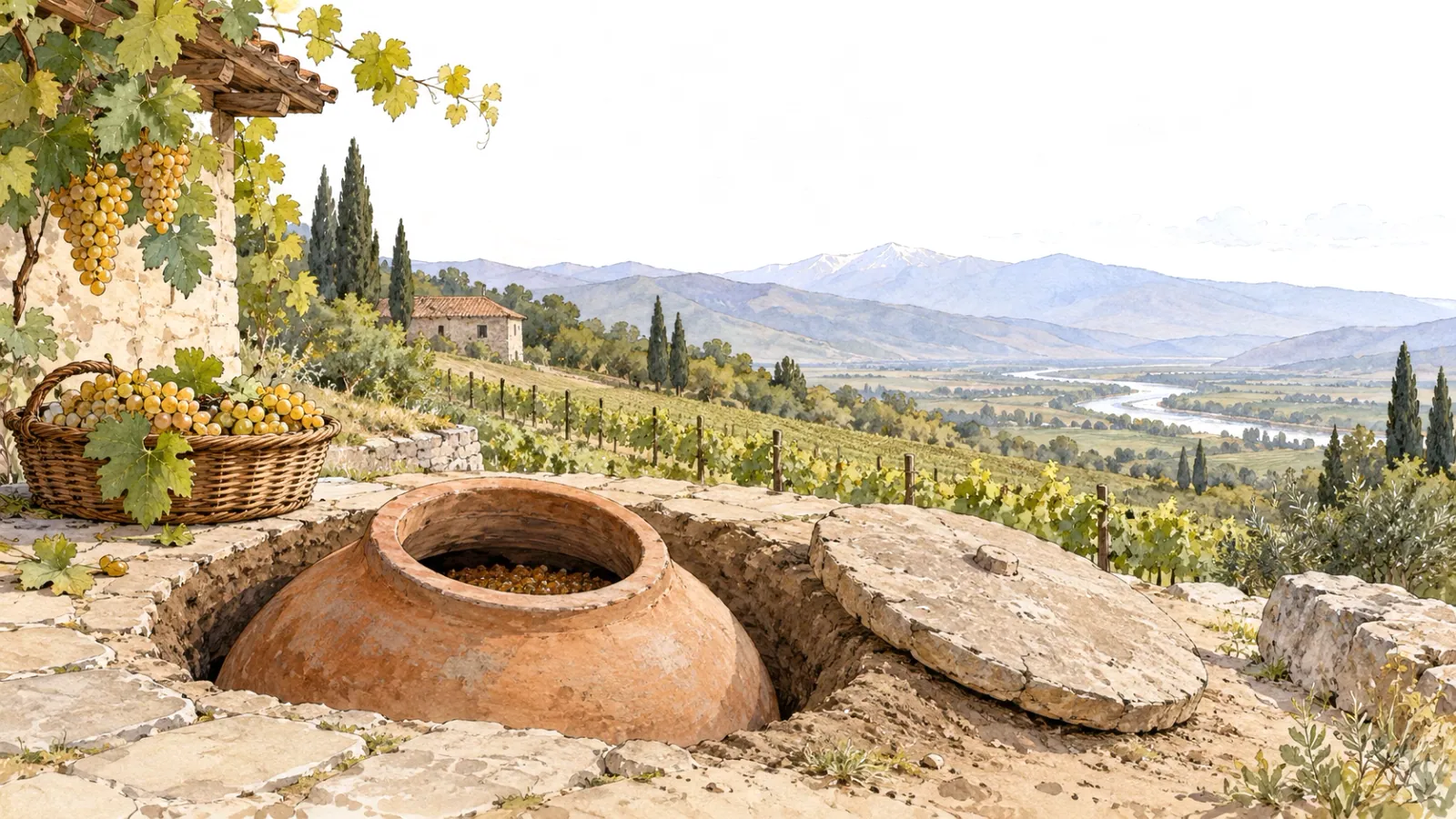 Living traditionGeorgia's qvevriIn Georgia wine is still fermented in large egg-shaped clay jars buried in the ground, a practice UNESCO listed as intangible heritage in 2013. Residues in Neolithic pottery show that people in the same country were making grape wine around 6000 BC, though nobody yet knows whether those first jars were buried.
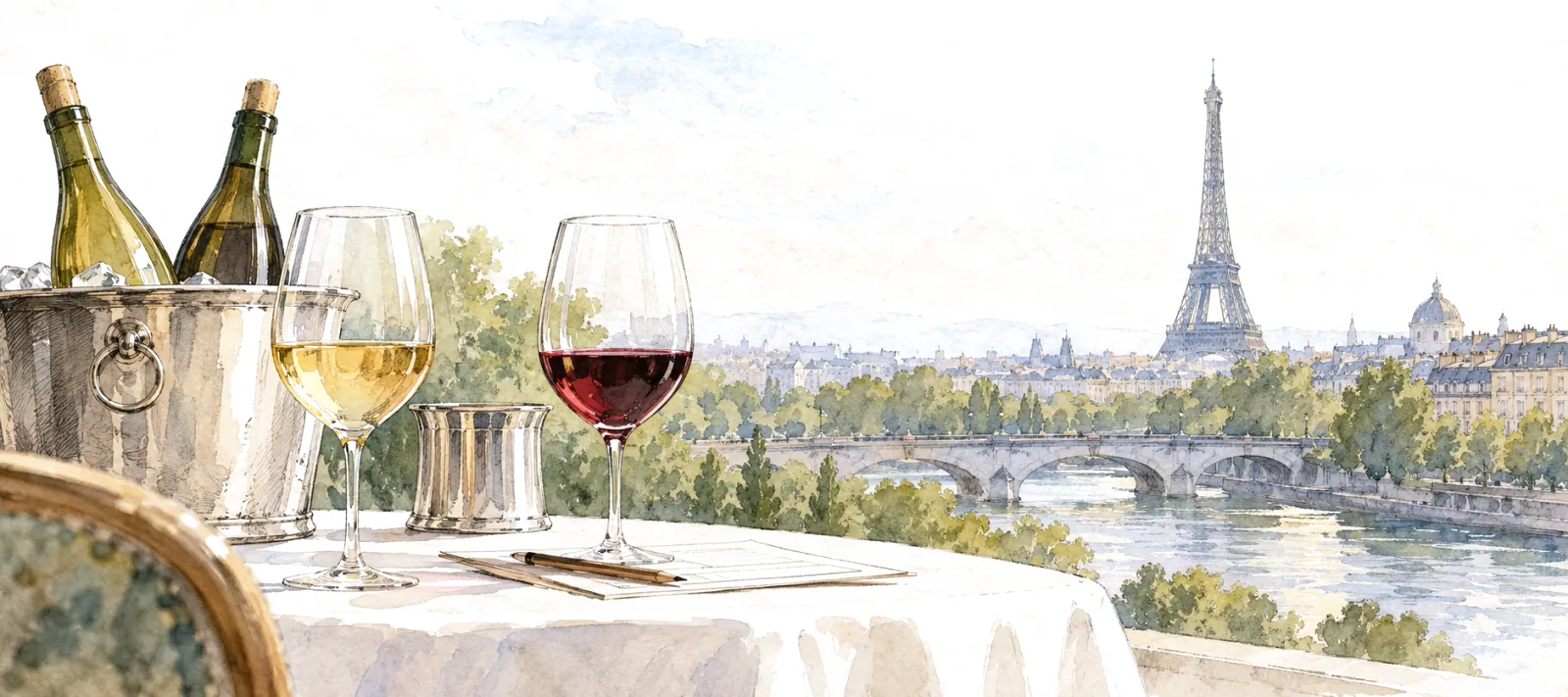 Blind tastingThe Judgment of Paris, 1976On 24 May 1976 a panel of French wine professionals tasted Californian and French wines blind in Paris and placed a Napa Chardonnay and a Napa Cabernet first. A short magazine report turned a shop's publicity event into a turning point for wine outside Europe. Statisticians later checked whether the result holds up.
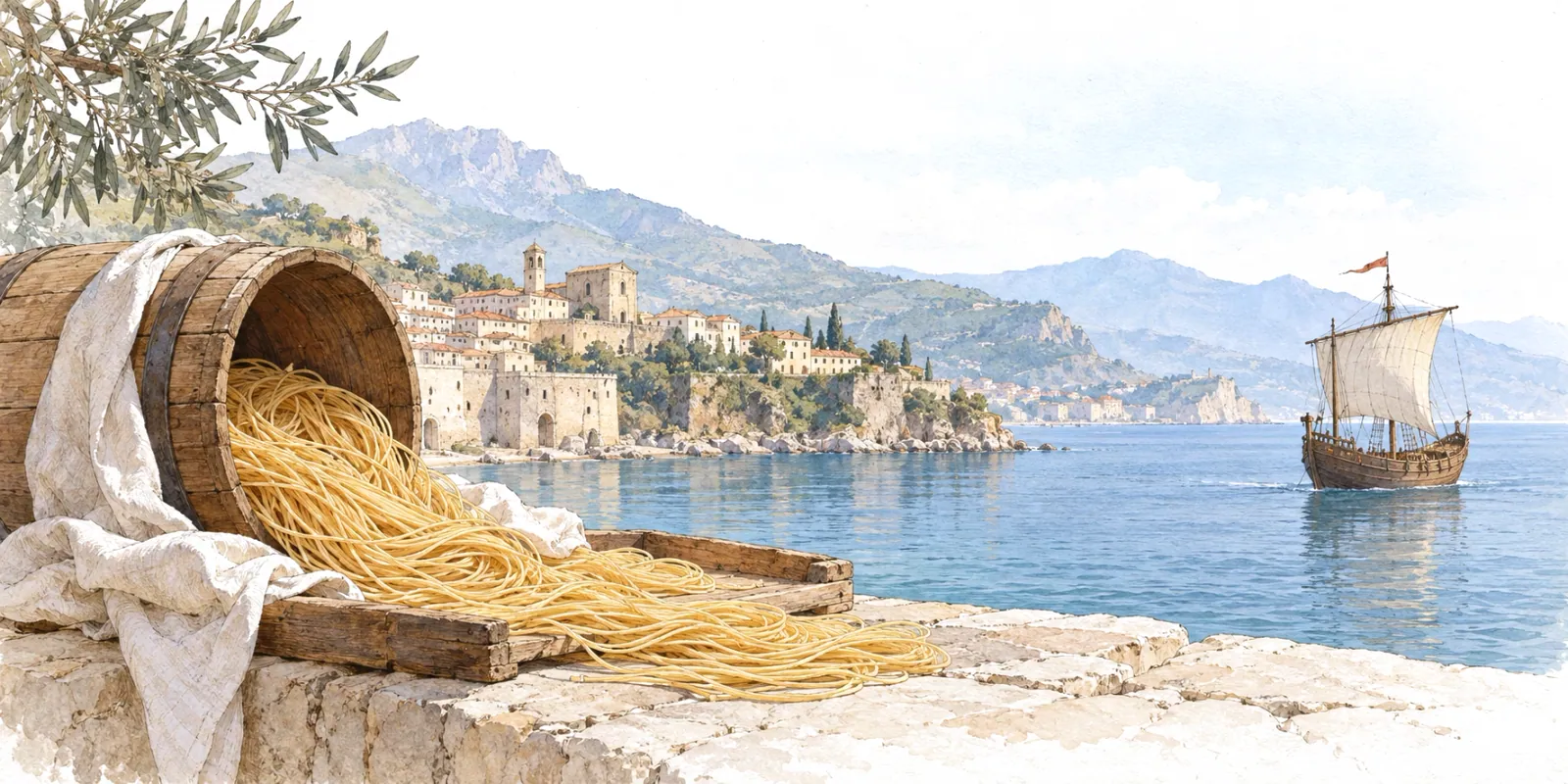 Myths & evidenceDid Marco Polo bring pasta to Italy?No. Dried pasta was being made and exported from Sicily more than a century before Marco Polo came home from China in 1295. How the myth began says more about twentieth-century marketing than about medieval trade.
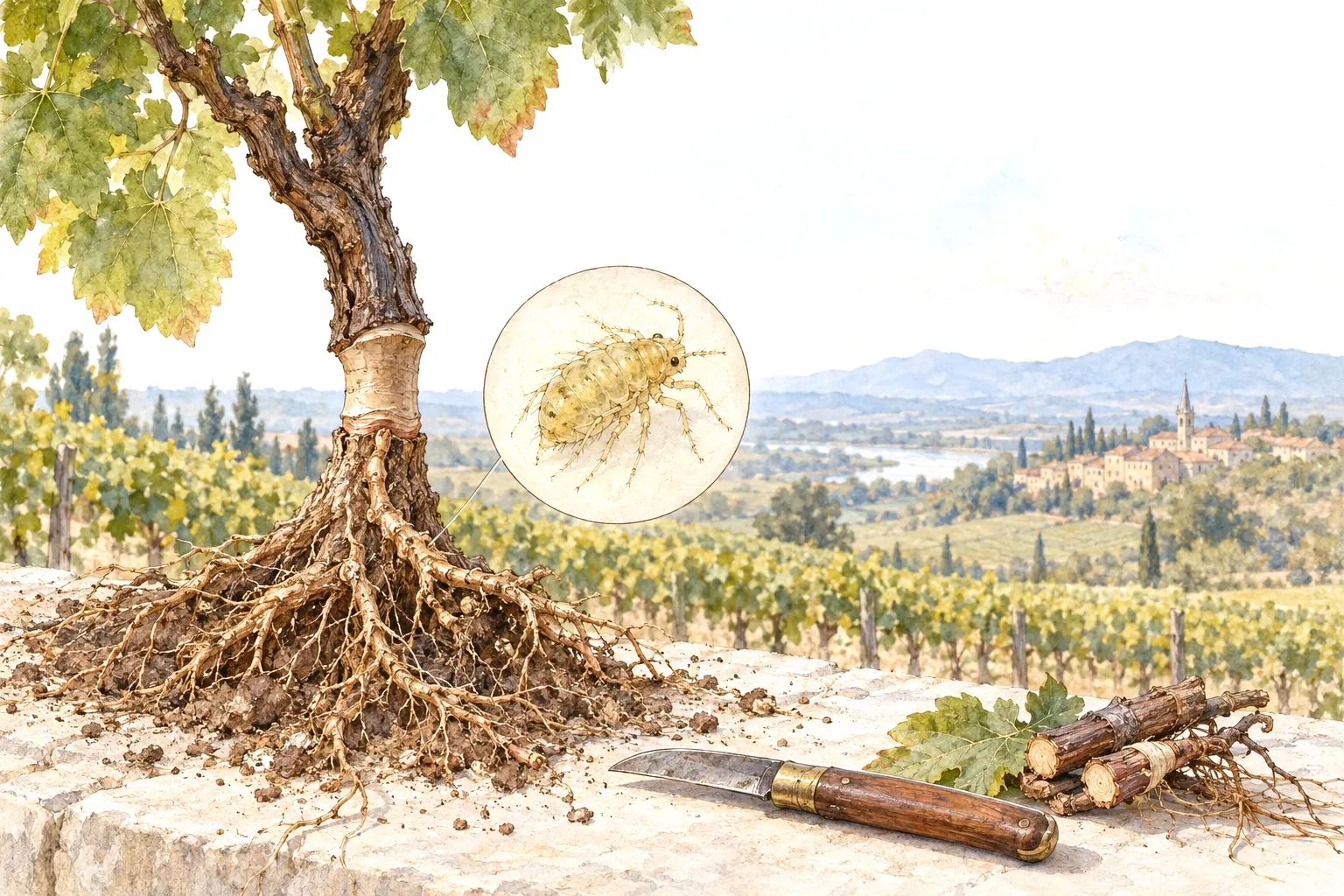 Crisis & recoveryPhylloxera: the insect that remade the vineyards of the worldIn the 1860s a tiny aphid-like insect from North America began killing the vines of France. Within forty years it had reached almost every wine country. The remedy, grafting European vines onto American roots, still holds up most of the world's vineyards.
- OverviewA history of beerFrom residues in prehistoric stone mortars to global brewing groups and small independent breweries, beer has followed grain, towns, taxes and science. This overview separates the documented record from the stories that grew around it.
- Ingredient historyCereals: the grasses that fed the worldWheat and barley were brought into cultivation in the Fertile Crescent more than 10,000 years ago, maize was bred from a wild grass in southern Mexico, and millets and sorghum were domesticated in China and the African Sahel. Rye and oats began as weeds in other crops. In the twentieth century the Green Revolution tripled cereal output in the developing world, at a price.
- Ingredient historyCoffee: from Ethiopian forests to the world's cafésWild Arabica coffee grows in the forests of south-western Ethiopia, but people began drinking it only about five centuries ago, among religious mystics in Yemen. Coffeehouses spread through the Ottoman world and then Europe. Plantations worked by enslaved people in the Caribbean and Brazil made it a mass drink; a fungus ended Ceylon's coffee boom.
- Ingredient historyFish and seafood: hooks, salt, steam and farmsPeople have fished with hooks for at least 23,000 years. Dried and salted cod and herring fed medieval Europe and made the fortunes of Lübeck and the Dutch Republic. Romans and later the French farmed oysters. Steam trawlers emptied the seabed, cod collapsed off Newfoundland, and since 2022 farms produce more fish and shellfish than the wild catch.
- Ingredient historyFruit: from the apple forests of the Tian Shan to the banana boatThe sweet apple began in the wild fruit forests of the Tian Shan, citrus in the foothills of the eastern Himalayas, and the banana in New Guinea. Belgian pear breeders and nineteenth-century pomologists multiplied varieties. Steamships and refrigeration then turned bananas and other perishable fruit into world commodities.
- Drink historyFrom juniper water to London ginJuniper was a medicine in the medieval Low Countries long before it flavoured a drink. Grain spirit with juniper became genever there in the sixteenth and seventeenth centuries. England took it up after 1688, went through the Gin Craze and the Gin Acts, and later turned gin into a cleaner, drier spirit defined today in EU law.
- Ingredient historyLegumes: lentils, beans and the plants that feed the soilLentils, peas and chickpeas were domesticated alongside wheat and barley in the Fertile Crescent; beans in Mesoamerica and the Andes; soybean in East Asia; and the peanut east of the Andes from a cross between two wild species. Their roots host bacteria that turn nitrogen from the air into fertiliser, a partnership science only explained in the 1880s.
- Food historyMeat and butchery: from the first herds to the packing houseSheep, goats, pigs and cattle were domesticated in the Fertile Crescent about 11,000 to 10,000 years ago; pigs again in China; chickens much later, in South-East Asia. Salt and smoke made meat keep. Medieval butchers formed powerful guilds in London and Paris, and in the nineteenth century Chicago's stockyards and refrigerated railcars built the industrial meat system that the world now runs on a far larger scale.
- Ingredient historyMushrooms and truffles: from the forest floor to the farmRomans prized wild mushrooms and knew they could kill. The French learned to grow the button mushroom on beds of manure and later in old Paris quarries; Chinese and Japanese growers learned to grow shiitake on logs. A farmer in Provence found how to make oaks bear truffles, a century before science explained why.
- Drink historyOther drinks: mead, cider, rice wine, palm wine, cacao and spa waterLong before grape wine, people in China fermented rice, honey and fruit together. Cider and perry, Asian rice wines, palm wine and pulque each grew from local sugars and local microbes. Chocolate began as a drink in the Americas. In Europe's spa towns, mineral water became a medicine and a fashion.
- Ingredient historyRoots and tubers: cassava, sweet potato, yam, taro and the Andean cropsCassava was domesticated on the southern edge of the Amazon and carried to Africa from the sixteenth century; it is now the continent's great staple. Sweet potato reached Polynesia before Europeans did, by a route still argued over. Yams come from West Africa, taro from the swamps of highland New Guinea, and the Andes gave the world the potato and a family of lesser-known tubers.
- HistoryA history of rumRum was made from the by-products of sugar on Caribbean plantations worked by enslaved Africans. From the first records in Barbados in the 1640s to the protected names of today, its story runs through the Atlantic slave trade, colonial tax law, the Royal Navy, emancipation and the rise of new styles.
- Ingredient historySpices and salt: pepper, nutmeg and the taxed necessityPepper from India was in Egypt by the thirteenth century BCE. Cloves and nutmeg came from a few islands in the Moluccas, and in 1621 the Dutch East India Company completed a conquest of the Banda Islands in which most of their people were killed, starved or deported, so that it could control nutmeg. Salt was produced on an industrial scale in the Bronze Age, traded widely, and taxed in France and British India.
- Ingredient historyTea: from the hills of southern China to the world's cupTea was domesticated in southern China and drunk by Han emperors more than 2,000 years ago. It changed form under the Tang, Song and Ming, reached Japan with Buddhist monks and Europe on Dutch and Portuguese ships, paid for an opium trade and two wars, and was planted across Assam and Ceylon by labour recruited under harsh contracts.
- Ingredient historyVegetables: from wild cabbage to the Brussels chiconCabbage, kale, broccoli and Brussels sprouts are one Mediterranean species. Onions and garlic come from Central Asia, while squash, tomatoes and chillies were domesticated in the Americas and later carried to Europe. Brussels gave the world the blanched chicon in the nineteenth century. This page also looks at how scientists have tried to map where crops began.
- Whisky & Whiskey: the storyA history of whiskyWhisky grew out of medieval aqua vitae, appears in Irish and Scottish records from the fifteenth century, and was reshaped by excise law, the continuous still, a royal commission, Prohibition and modern legal definitions. No single inventor or first place can be named.
Illustration: Rataterra · rataterra.com